Now more than ever it feels essential to pay attention to our health. With so many of us still unemployed, we’re also collectively in a place where we need to make wise choices with the resources we have.
There are small shifts we can make to our daily habits that can improve our health and immune systems.
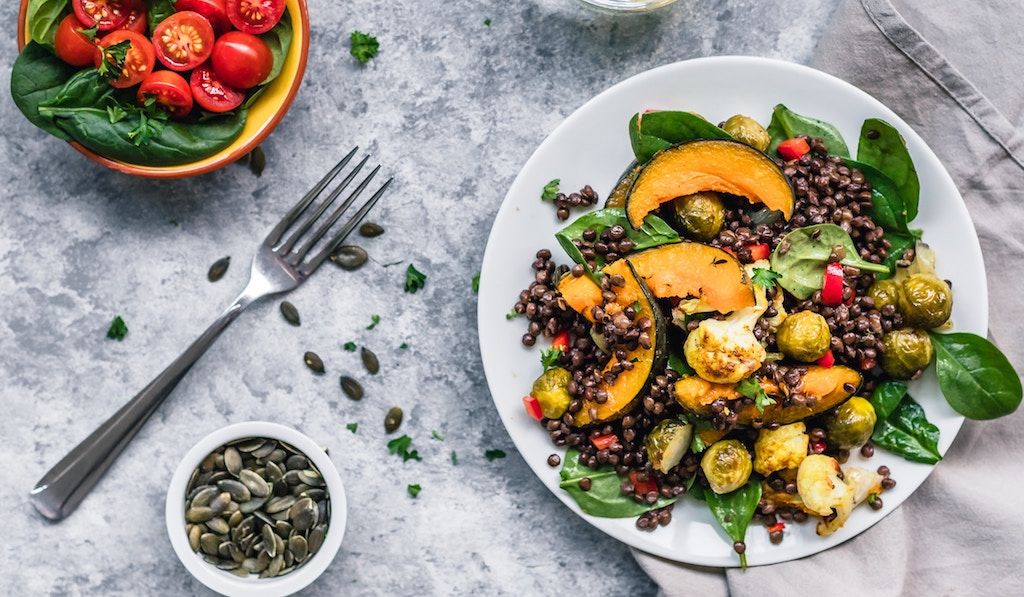
The first most important shift is to eat the best quality, local and sustainable food within your means. Eating produce that was grown locally means less time from when it was picked to when it’s eaten, which means that it will have so much more life and nutrients to support you. Vitamin and mineral content of your vegetables can vary greatly depending on soil quality, farming practices and freshness. Eggs of pasture-raised birds are also significantly more nutrient dense than those from birds raised industrially. Pasture-raised eggs typically contain two-thirds more vitamin A, three times more vitamin E, seven times more beta carotene and twice the omega-3 fatty acids. This trend is the same for meat. Sourcing food locally also allows for a more personal connection with our food and allows us to support the local small farms and farmers caring for their animals and the earth.
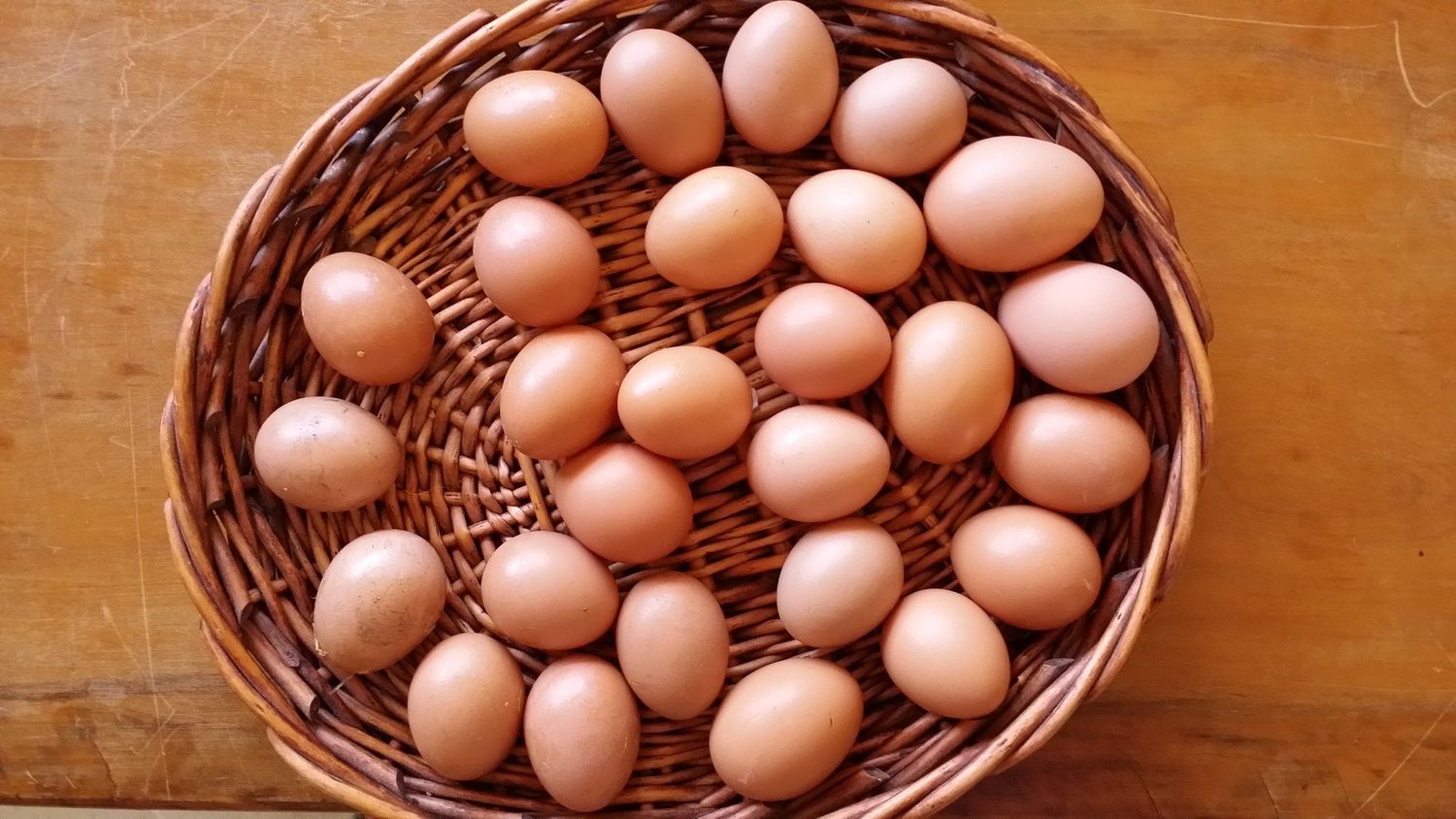
eggs from Solomon Gardens – they are our favorite and are abundant at Argus Farm Stop now.
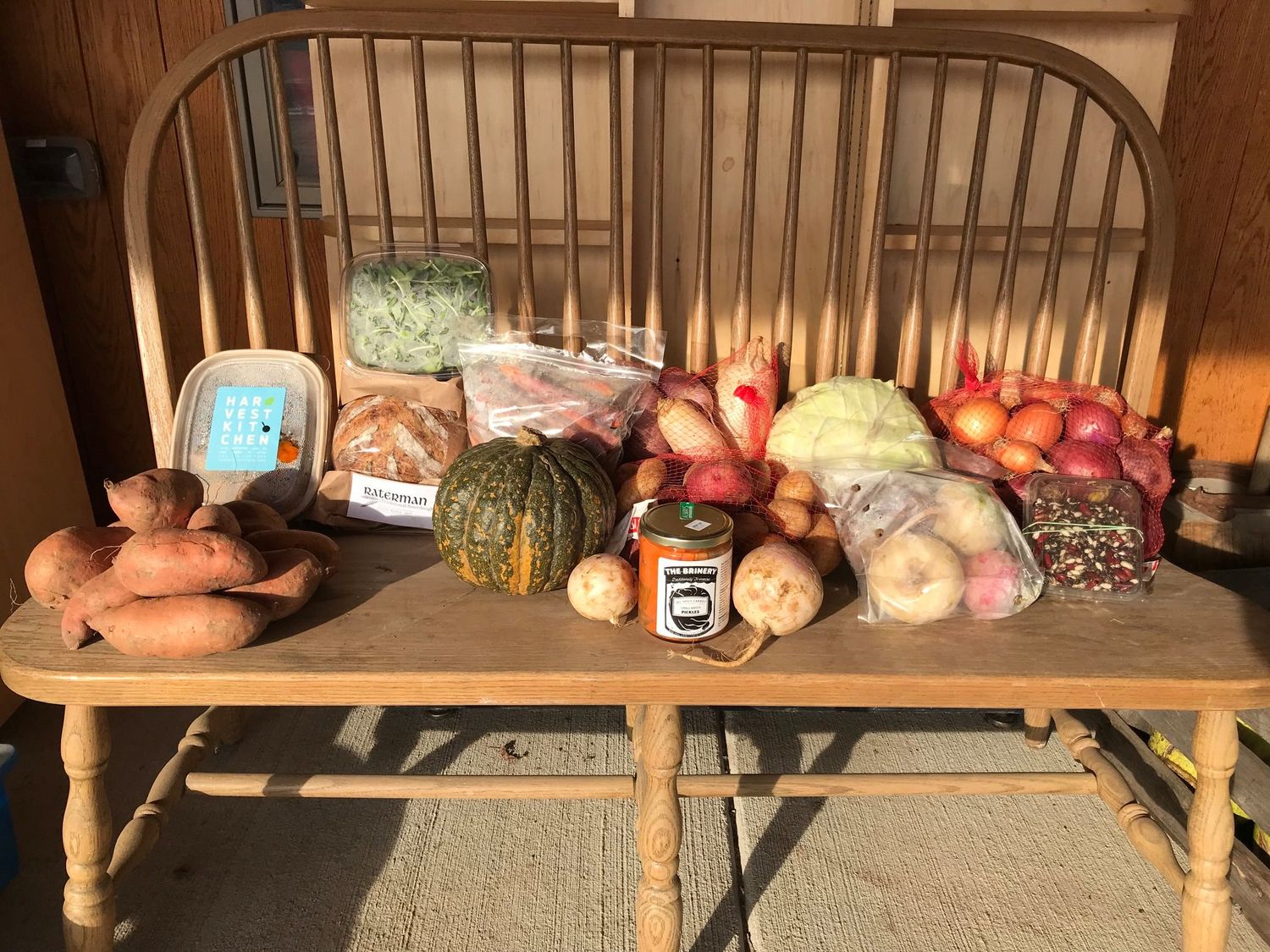
The variety of local produce is ramping up in Michigan and buying local is comparable in price to organic produce that you would buy at typical grocery store. Because of social distancing, not all farmers markets are available yet but Argus Farm Stop in Ann Arbor (or Agricole Farm Stop if you’re further west) is great place to pick up food from local farms. They currently have super convenient pick up options. There has also been some CSA shares popping up .. The folks at Tantre Farm are offering these immune boosting produce boxes. Quality pasture raised meat is available at these farm stops or usually directly through farms. Solomon Gardens + Creswick Farms are two of many farms that you buy directly from.
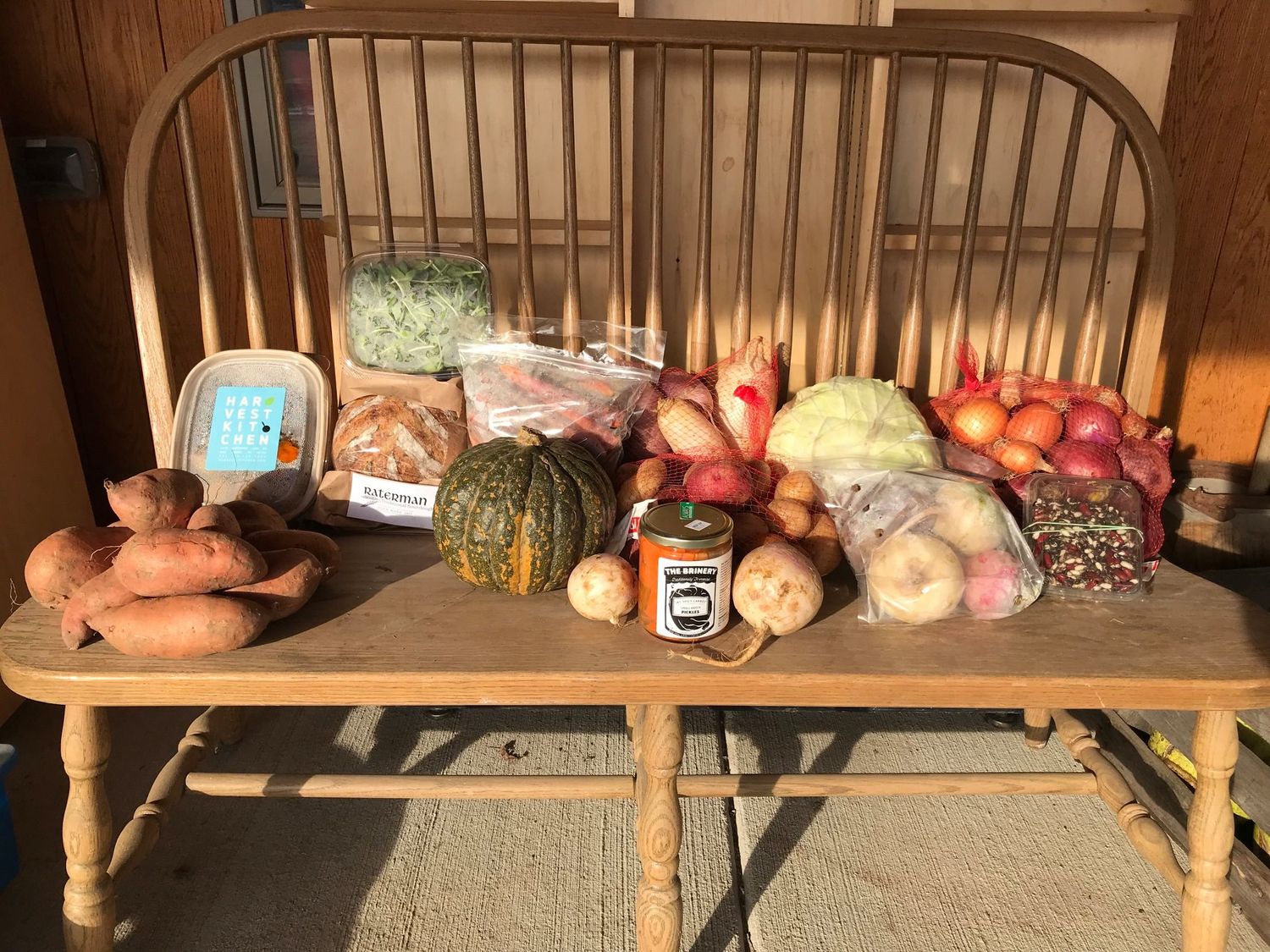
example of Tantre’s Midwinter Morning’s Dream Share
Once you’ve sourced the best foods possible, properly preparing them helps improves their nutrient density and digestibility. Different foods are suited to different methods of cooking .. baking, braising, sautéing and stir frying are just a couple examples of how you can prepare fresh foods to highlight flavor and nutrition. Adding fermented foods (or even fermenting your own) like kimchi, yogurt or sauerkraut add to numerous health benefits as well. With all this extra time at home I’ve been having fun experimenting with soaking and sprouting seeds using the guide below, one more way to improve nutrient density and digestibility.
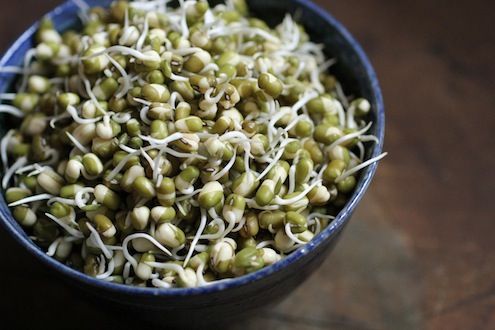
spouted mung beans. these are amazing sauteed with ghee and salt.

thank you NTA for this guide
And lastly, you’ll want to take a look at your cookware and food storage methods as they are sneaky ways for problem causing toxins and chemicals to get into your body. Below are three relatively inexpensive ways to reduce your exposure to toxins:

1. Buy one cast iron skillet (Lodge is a good brand)
2. Minimize the dangers of storing food in plastic by allowing food to fully cool before storing food in plastic or use glass! I often use canning jars or reuse jars that I would normally recycle.. beware they add up!
3. Swapping out foil for unbleached parchment paper when lining baking sheets.
Here’s to health and so many hugs on the other side of this!!! <3
References
Nutritional Therapy Association. (2021). Culinary Wellness Student Guide [PDF document]. Nutritional Therapy Association. (2021). Basics of Nutrition [PDF document].